
Home › Facility Management › Asset Management and Lifecycle
Asset Management in Saudi Arabia
Know what you own, what condition it is in, and what it will cost
Asset Management and Lifecycle
Plant and equipment are among the largest values in any building, and among the least understood. We give you a clear picture of every asset you own and a plan for each one, so replacement is planned, budgets hold and nothing fails by surprise.
Too many owners discover the condition of their chillers, lifts or switchgear only when something breaks. By then the choice is between an emergency repair and an unplanned replacement, and both cost more than they should. Asset management turns that around. It replaces surprise with foresight.
01
Start with an accurate register
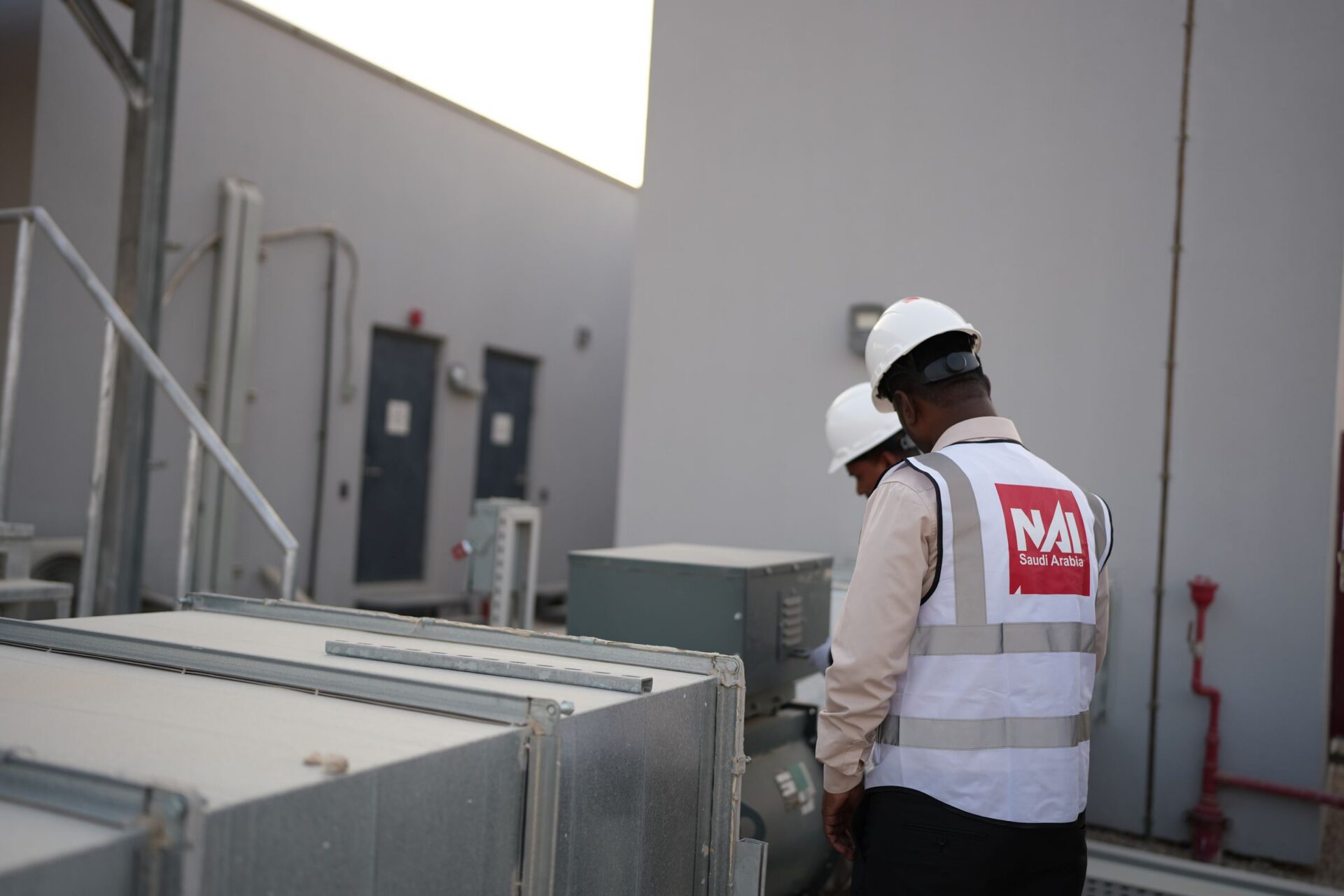
Everything begins with knowing what is there. We survey your building and build a complete asset register on our platform: each asset’s location, type, make, model, capacity, age and warranty, tagged with a QR code and linked to its documents. Where a register already exists, we verify it on site, because a register that does not match the building is worse than none.
02
Condition, not just age
Equipment does not wear out by the calendar. We carry out condition surveys that rate each significant asset on its actual state, performance and maintenance history. Combined with the records from our CAFM system, this tells you which assets are healthy, which need attention, and which are approaching the end of their useful life.
03
A lifecycle plan you can budget for
From the register and the condition data we build a lifecycle and replacement plan: when each major asset is likely to need overhaul or replacement, and what it will cost. This becomes your capital expenditure (CAPEX) forecast, so large costs are spread and planned, and the case for each investment is clear before it reaches your board.
04
Spares, warranties and defects
We keep spare parts and critical stock at the right level, tracked against the assets that use them, so repairs are not delayed by missing parts. Warranties and defects-liability periods are recorded for every asset, with their expiry dates. Faults covered by a warranty or by the original contractor are claimed back, not paid for twice.
05
Technical due diligence
Buying, leasing or taking over a building? Our technical due diligence shows you its true condition before you commit: the state of its systems, the risks we see, and the costs ahead. You enter the transaction with your eyes open.
What’s included
Asset register
on-site survey and verification; QR tagging; asset data, documents and manuals; a register kept current on our platform.
Condition and performance
condition surveys of significant assets; performance and failure history from our CAFM system; risk ranking of critical assets.
Lifecycle and CAPEX
replacement and overhaul planning; CAPEX forecasts; investment recommendations with options.
Spares and warranties
critical spares and inventory control; warranty and defects-liability tracking; claims against suppliers and contractors.
Technical due diligence
building condition reviews for acquisition, leasing or takeover, with risks and future costs set out.
How it works
- Survey
We survey the building and capture or verify every significant asset. - Register
The register is built on our platform, and assets are QR-tagged. - Assess
We rate the condition of key assets and combine it with their maintenance history. - Plan
We prepare the lifecycle and replacement plan and the CAPEX forecast, and review them with you. - Maintain the picture
Every job, part and inspection updates the asset record. - Review
The plan and forecast are refreshed each year, ready for your budget cycle.
What you see as the client
- The full asset register for your building, with each asset’s condition, history and documents.
- A lifecycle plan showing what is due for overhaul or replacement, and when.
- CAPEX forecasts ready for your budget.
- Warranty and defects-liability status, with the claims we have made on your behalf.
Frequently asked questions
We already have an asset list. Why survey again?
Lists often drift from reality as equipment is replaced or added. We verify yours on site, so decisions are based on what is actually installed.
How does a lifecycle plan help our budget?
It shows when major costs are likely to fall, so you can plan and spread them rather than face them as emergencies.
Can you tell us which assets are at most risk?
Yes. Condition surveys and maintenance history allow us to rank critical assets by risk and recommend where to act first.
Do you track warranties for us?
Yes. Warranties and defects-liability periods are recorded for every asset, and faults they cover are claimed back from the supplier or contractor.
Can you assess a building before we buy or lease it?
Yes. Our technical due diligence reports on the building’s condition, its risks and the costs ahead, before you commit.